
Electronic Manufacturing Solutions News
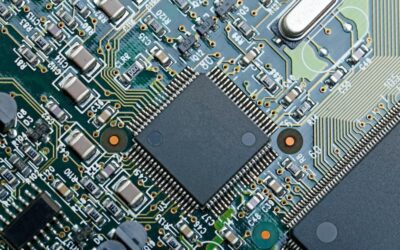
How to Design Better Multilayer PCBs in the 5G Era
When you create 5G electronics, your PCB design makes or breaks performance. Multilayer boards drive success in delivering the speed and reliability 5G demands. Your design decisions directly impact how well your boards handle fast signals, manage power, and control...

Utah Businesses: How to Crisis-Proof Your EMS Supply Chain
You might believe your supply chain has all the stability you need. Your vendors deliver consistently, your logistics run smoothly, and production schedules stay on track. But beneath this appearance lies surprising fragility. Recent events have taught manufacturers...

Why USA Electronics Manufacturing Depends on High Quality Blank PCBs
Every electronic device you use—from smartphones to medical equipment—begins with a blank PCB. These simple boards form the foundation for reliable, high-performing electronic products that power everything from communication and healthcare to transportation and...
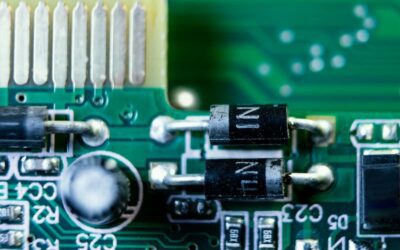
How to Prevent Tin Beads in PCB Assembly
If you are involved in PCB assembly, you know that even the smallest defect can compromise an entire circuit board’s functionality. One such issue that PCB assemblers often overlook until it causes a failure is tin bead formation. These tiny, stray solder particles...
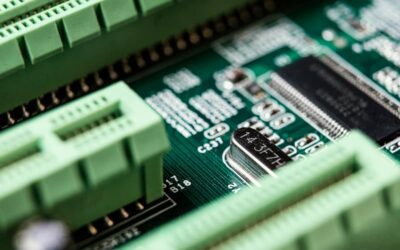
High-Speed Routing in PCB Assembly: Expert Tips and Techniques
High-speed PCB design challenges even experienced engineers. As devices push faster data rates, proper routing becomes the difference between reliable performance and frustrating signal problems. When signals travel at high frequencies, the PCB layout itself becomes...
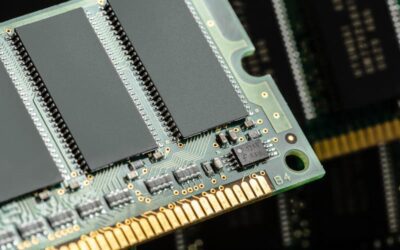
Microstrip and Stripline: Key Differences for Electronic Manufacturing Services
Modern electronics rely on printed circuit boards (PCBs) to connect components and transmit signals. For high-frequency and high-speed applications, how these signals travel through the board significantly affects performance. Two primary transmission line structures...
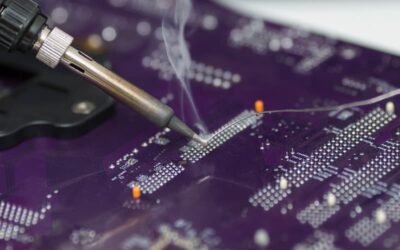
PCB Cloning: How It Works and Why It’s Done
Electronics keep changing, and sometimes you need to copy a circuit board instead of starting from scratch. That’s where PCB cloning comes in. It’s a process that duplicates an existing printed circuit board (PCB) so you can manufacture more of the same design or...
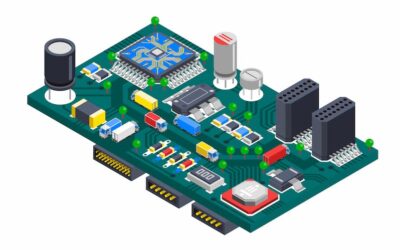
What Sets 4-Layer PCBs Apart From Other Multilayer PCBs
Electronics are getting smaller, faster, and more complex—and that means circuit boards need to keep up. While single and double-layer PCBs work for basic applications, they don’t always cut it when dealing with high-speed signals, power efficiency, and noise...

Hiring a PCB Assembly Company? Avoid These 11 Mistakes
-From prototypes to large-scale production, PCB assembly helps turn concepts into functional products that meet industry demands. But with so many details to manage—design files, components, and timelines—it’s easy to commit errors that lead to added costs and...
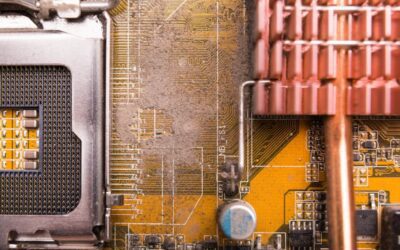
Copper Pouring in Copper-Free Areas: Why it Matters in PCB Design
In PCB design, unused spaces often appear due to trace routing, component placement, or multi-layer designs. Leaving these gaps empty might seem harmless, but it can lead to higher electromagnetic interference (EMI), weaker grounding, and power inefficiencies. Enter...
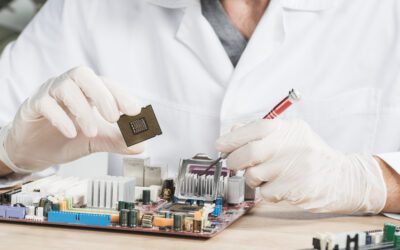
PCB Manufacturing Bottlenecks: Factors That Cause Slowdown
PCB production delays can derail your entire project timeline and blow your budget. When your manufacturer promises a two-week turnaround but takes six, you're left scrambling to explain the setback to stakeholders and clients. Finding a reliable PCB manufacturer...

Cracking the Code: Mil-Spec and Military Wiring Standards Explained
MIL-Spec, or military specification, sets strict standards for cables and wiring used in extreme conditions. These wires are built to handle intense heat, constant vibrations, and exposure to harsh chemicals. They’re critical for systems where reliability is...