
Electronic Manufacturing Solutions News
About E-Coating: Electrophoretic Painting
E-coating, also known as Electrophoretic Painting, is a sophisticated process used to apply a semi-transparent, anti-corrosive coating to certain metals. However, unlike other coating methods, e-coating doesn’t give the material an enamel-looking finish. Even though...
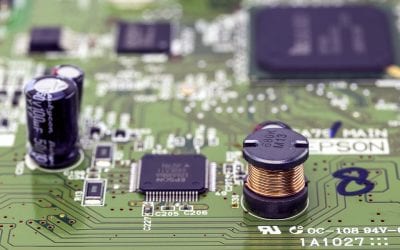
5 Reasons to Outsource Your PCB Assembly
Are you in the industry of producing electronic hardware? Do you outsource your printed circuit board assembly (PCBA)? You should, especially if you want to spend more time focusing on important aspects of your business, like the designing process and the marketing of...

8 Types of PCBs
In this day and age, PCBs can be found in various electronic devices such as computers, televisions, digital cameras, and cell phones, to name but a few. Seeing that these devices each serve a different purpose, it goes without saying that there are also different...

What is The Future of 3D Printing?
The very concept of a 3D printer seems to propel us toward the future. Who would have thought we would see the day when a printer could generate clothing, toys, airplane parts, and even entire rooms? But that’s just the start. 3D printing promises to come to the...
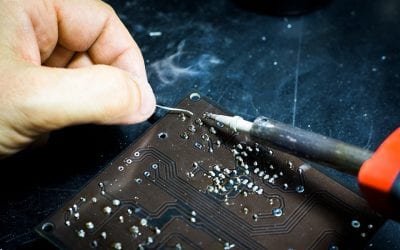
Common Reasons for Solder Joint Failure
The reliability of solder joints in circuit boards is of utmost importance. The failure of one small solder joint can disrupt an entire PCB. Here are some of the most common reasons for solder joint failure: 1. Poor solder joint design There are various types of...
5 Best Tips for Managing PCB Thermal Resistance
When it comes to designing PCBs, extreme heat could result in the loss of money and time if your efforts fail to optimize the heat dissipation and distribution of your board. While conducting a precise mathematical analysis of the thermal component of a printed...
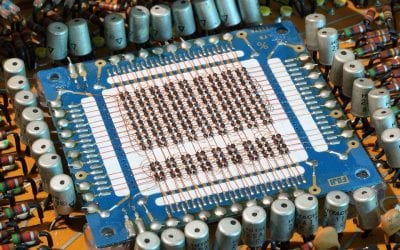
All About Silk Screen: PCB Identification and Labels
Just as legends and text help to make sense of streets and roads on a map, the silkscreen used in PCBs helps users understand the location of components, details for their orientation and placement, labels, logos and identifiers. The silkscreen’s layer houses...
Top PCB Myths Debunked
Printed circuit boards of various sizes can be found in every type of electronic device, from your television and iPad to your computer and mobile device. Their main purpose is to form a connection between different components. Whether you realize it or not, your...
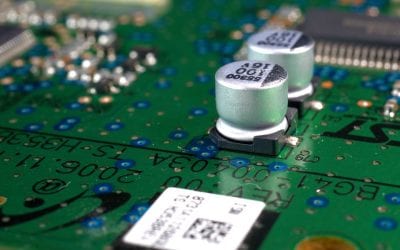
Metal Core PCBs vs. FR4 PCBs
When it comes to printed circuit boards, you can opt for a metal core PCB (like aluminum PCBs) or use the standard FR4 board. While industries like LED prefer the former, there’s nothing wrong with choosing the FR4 type as your go-to PCB. In fact, if you’ve been using...
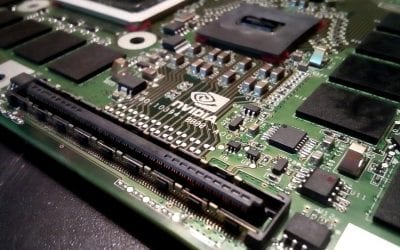
What’s the Right Thickness for PCBs?
PCBs are critical components for various electrical devices and industries. However, a lot of buyers aren’t aware that PCB thickness can play a significant role in designing the ideal board for their needs. In some cases, the printed circuit board manufacturer may ask...
A Guide to Great PCB Design
Printed circuit boards (PCBs) are the essential components of every electronic device in the modern age. These are small pieces that lay a foundation for appliances, communication devices and industrial machinery alike. With frequent advancements in technology, these...
Flex Boards 101
Flex board designs are not just a luxury, but a requirement for several applications. Multiple sectors, including medicine and aerospace, utilize flex PCBs to accommodate elaborately or tightly shaped form factors. However, before choosing a particular class type from...