
Electronic Manufacturing Solutions News
The Most Common PCB Applications
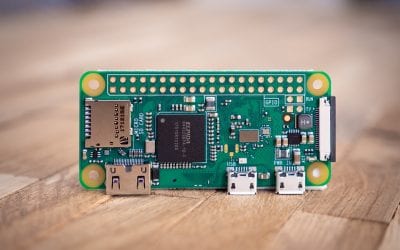
Even people who confess to knowing nothing about printed circuit board assembly know more than they think. Why? Because they use PCBs every day—whether they are aware of it or not. PCBs are a critical element in nearly every digital and electronic device. They come in...
Guidelines for Designing a High Voltage PCB
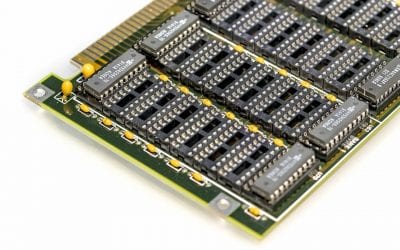
High voltage PCBs (printed circuit boards) power some of the most innovative applications available. They typically consist of heavy copper material and can withstand thermal fluctuations and high voltages. This post will highlight the design guidelines for building...
Aluminum PCBs and Their Advantages
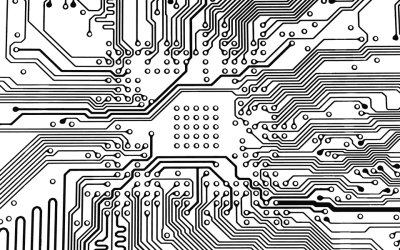
Several metals are used in the production of printed circuit boards (PCBs). Metal-based PCBs are also known as metal core printed circuit boards (MCPCBs) and aluminum core with standard FR4 is the most popular base material. An aluminum PCB has metal-based and...
HDI PCBs: Definition, Uses and Potential Applications
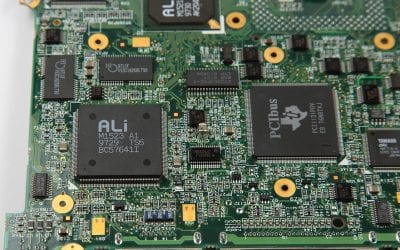
PCBs came around in the middle of the 20th century as an alternative option to wires. Since then, the electric circuits have become indispensable in the production of any electronic device. Naturally, engineers worked hard to improve the design, size and technical...
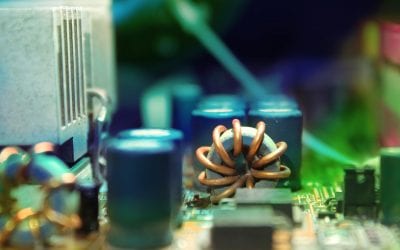
The Right Way to Clean a PCB
PCB manufacturers are always looking for ways to boost efficiency and production volume. What’s one quick way to improve reliability of the boards? Cleaning. Printed circuit boards can become soiled with dirt, solder, or flux from handling. Contaminates in the...
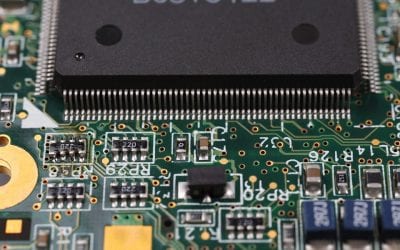
All About Wave Soldering
Soldering is as important in the production of a printed circuit board (PCB) as final assembly is in car manufacturing. Wave soldering is a form of soldering used to attach circuits to the boards. Before the introduction of surface mount soldering, nearly all PCBs...
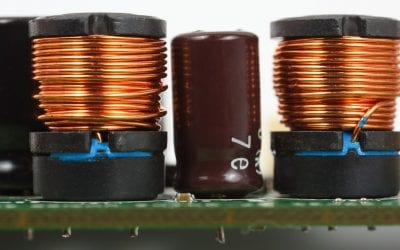
The Role of Copper Weight in PCB Design
When creating a printed circuit board, specifying the copper weight is one of the first steps. Copper weight of any trace has a direct relationship with the amount of current it carries across the board. The ability to carry current in a trace is determined by its...
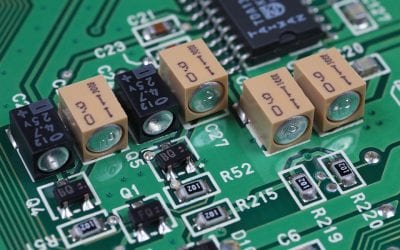
The Most Common SMT Errors During the Manufacturing Process
No matter how perfect your manufacturing plant, it is bound to hit some roadblocks during its lifetime. Some of these roadblocks are caused by nature, whereas others occur due to manufacturing errors. Surface Mount Technology (SMT) is one of those processes that...
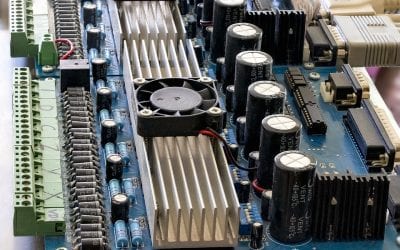
What to Include in Your Bill of Materials for a PCB
When you’re manufacturing or assembling an electronic item such as a PCB, you also need a comprehensive list of materials with estimated costs. This is officially referred to as ‘bill of materials’ (BOM), and every PCB maker needs it to streamline the production...
The Evolution of PCBs – from Printed Wires to Photolithographic Design
Who would have guessed that a tiny printed circuit board could help fuel a space station? PCBs continue to astound as they evolve at a rapid pace. What was once a pair of printed wires you had to maneuver is now a small chip you can hold between two fingers. Structure...
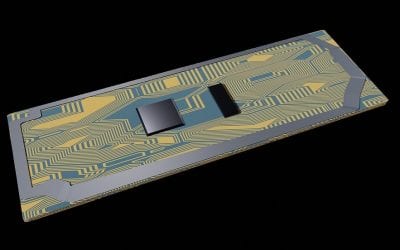
Addressing Negative Film Deformation During PCB Manufacturing
As an experienced PCBA manufacturer, we understand that a lot can go wrong during the PCB copying process, including the deformation of the film. To give an example, the failure of humidity control and temperature will result in negative film deformation. A high...
Which PCB Surface Treatment Option is Best for Your Project?
Performing a surface finish is critical for a PCB as it prevents the copper from oxidation. The process helps in forming a reliable connection between the electronic component and the board. Major functions of the surface finish include preparing the surface for...